



When selecting PVC decorative film, color is usually the first thing customers notice.
But color alone does not determine the quality of the visual experience.
Surface gloss, embossing depth and tactile texture can completely change how the same color is perceived.
Two decorative films may use almost the same wood tone, yet one can appear much more realistic and refined simply because of its surface finish.
This is why professional PVC decorative film selection should consider three elements together: color, texture and gloss.
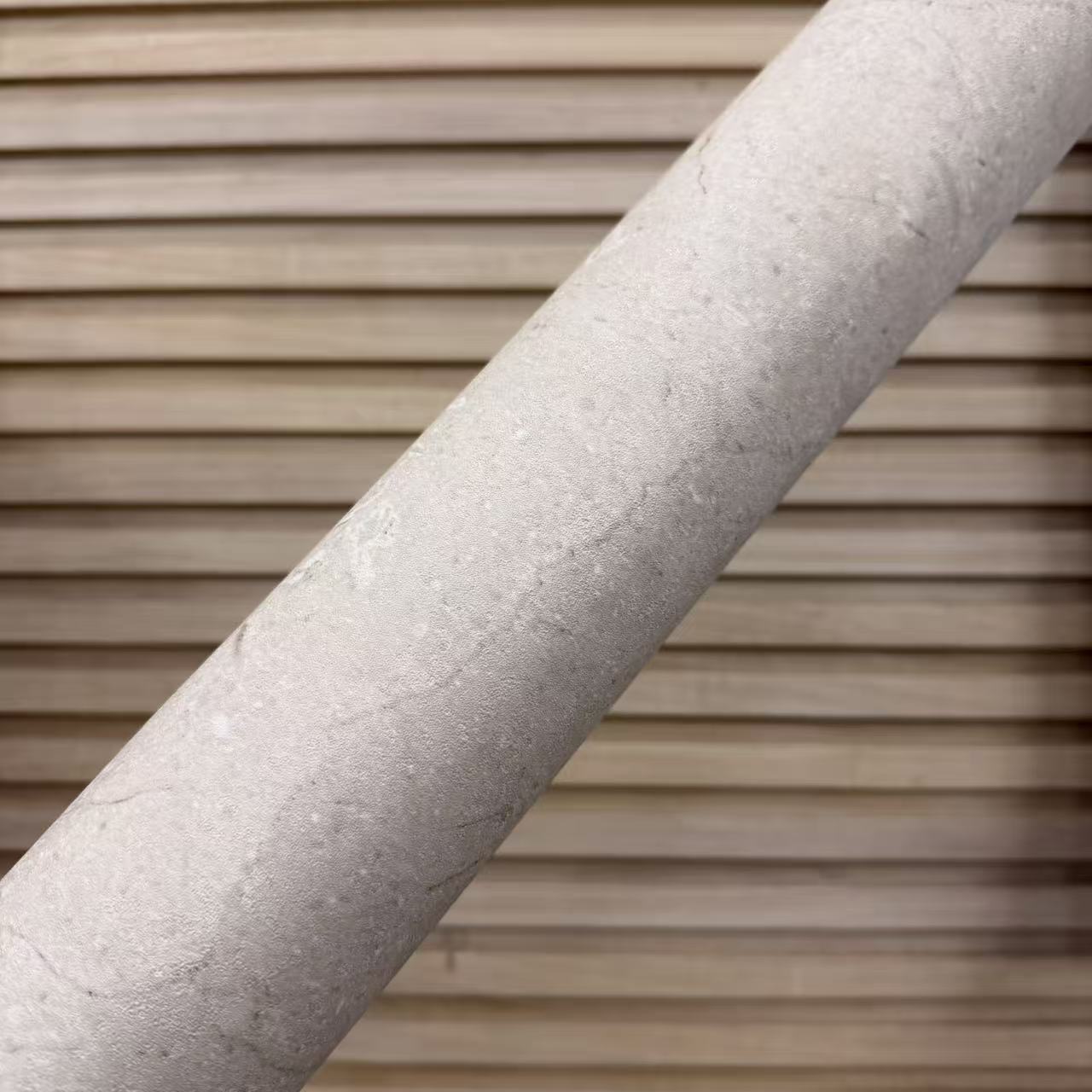
Why Surface Finish Matters
The surface of furniture is experienced both visually and physically.
A smooth matte surface creates a very different impression from a deeply embossed wood texture.
Even before touching the material, light and shadow already reveal differences in surface structure.
For wood grain PVC decorative film, embossing can reinforce the impression of natural timber.
For solid colors, a soft matte finish can create a cleaner and more modern aesthetic.
Surface finish therefore influences both realism and design style.
Matte PVC Decorative Film for Contemporary Interiors
Matte finishes have become increasingly important in modern furniture and interior design.
Compared with highly reflective surfaces, matte PVC decorative film produces softer light reflection and generally creates a more restrained visual effect.
This makes it particularly suitable for wardrobes, cabinets, doors, wall panels and large furniture surfaces.
Matte finishes are also easier to combine with other modern materials such as stone, metal and glass because they do not introduce excessive reflection.
For minimalist and contemporary interiors, this can help create a more consistent material language.
Extremely Low Gloss Creates a Different Visual Character
Not all matte surfaces look the same.
A lower gloss level can create a deeper and more refined appearance.
This is particularly noticeable on darker colors.
Black, charcoal, brown and dark wood grain surfaces often appear more premium when excessive reflection is reduced.
However, designers should remember that lower gloss does not automatically mean better.
The correct finish depends on the intended application and overall design style.
Some spaces benefit from stronger reflection, while others require a softer surface.
Texture Can Increase the Realism of Wood Grain
For wood grain PVC decorative film, the printed pattern represents only one part of the design.
Embossing adds the physical structure.
A flat wood pattern may visually reproduce the color of timber, but deeper grain can create stronger tactile realism.
When light passes across the embossed surface, small shadows appear within the texture, making the grain more dimensional.
This becomes especially important for furniture surfaces that customers interact with at close range.
Wardrobe doors, cabinet panels and furniture fronts are not only seen—they are touched.
The tactile character therefore becomes part of the product experience.
Deep Texture Is Not Suitable for Every Design
Strong texture can create realism, but it should be used deliberately.
For large wall panels or furniture surfaces, very deep embossing can become a significant visual feature.
If the surrounding materials are already complex, additional strong texture may make the composition too busy.
By contrast, subtle texture can provide enough depth while maintaining a cleaner appearance.
This is why designers should consider the relationship between:
pattern strength, embossing depth, color contrast and application area.
A successful decorative surface balances these elements.
Solid Colors Also Benefit from Surface Design
Texture is not limited to wood grain.
Solid-color PVC decorative film can also create very different design effects depending on surface treatment.
A smooth matte beige can appear calm and architectural.
The same beige with a soft tactile finish may create a warmer, more premium impression.
A subtle texture can also help large solid surfaces avoid looking visually flat.
This allows designers to use relatively simple colors while still creating depth.
Gloss Influences How We See Color
Gloss and color are closely connected.
A glossy surface reflects more of the surrounding environment, which can make the color appear brighter in some conditions.
A matte surface reduces strong reflection and allows the base color to appear more stable.
This is particularly important when comparing samples.
Two products with similar printed colors may look different because they have different gloss levels.
Therefore, when approving a PVC decorative film color, customers should always evaluate the actual finished surface rather than judging only by printed color references.
Touch Is Becoming Part of Interior Design
Modern material selection is increasingly multisensory.
Customers no longer evaluate furniture only from a distance.
They open doors, touch cabinet surfaces and interact directly with materials.
This makes tactile quality an increasingly important consideration.
For furniture manufacturers and interior designers, selecting the right PVC decorative film texture can therefore strengthen the perceived quality of the finished product.
Visual design attracts attention.
Tactile experience reinforces the impression.
Choose Color, Texture and Gloss as One System
Instead of asking only “Which color should I choose?”, a more professional selection process asks three questions:
What color works with the space?
What texture supports the design concept?
What gloss level creates the right visual effect?
When these three elements are evaluated together, decorative film selection becomes much more precise.
HANTAI PVC Decorative Film: More Than a Color Choice
HANTAI offers different PVC decorative film designs with a variety of colors, patterns and surface effects for furniture and interior decoration.
From natural wood grain to modern solid colors, different matte levels and textures allow designers and manufacturers to create different visual and tactile experiences.
The most successful decorative surface is rarely determined by color alone.
It is the combination of color, texture, gloss and application that defines the final result.