



Choosing a PVC decorative film from a digital catalog or color card is only the beginning of the selection process. For furniture manufacturing and interior projects, the final decision should always be based on physical samples and actual application conditions.
Color, texture, gloss, pattern scale, lighting and substrate can all influence how a PVC decorative film looks after installation. A design that appears suitable on a screen may produce a different result once applied to a large cabinet door, wall panel or furniture surface.
For this reason, professional decorative film selection should follow a clear sample evaluation process before final approval.
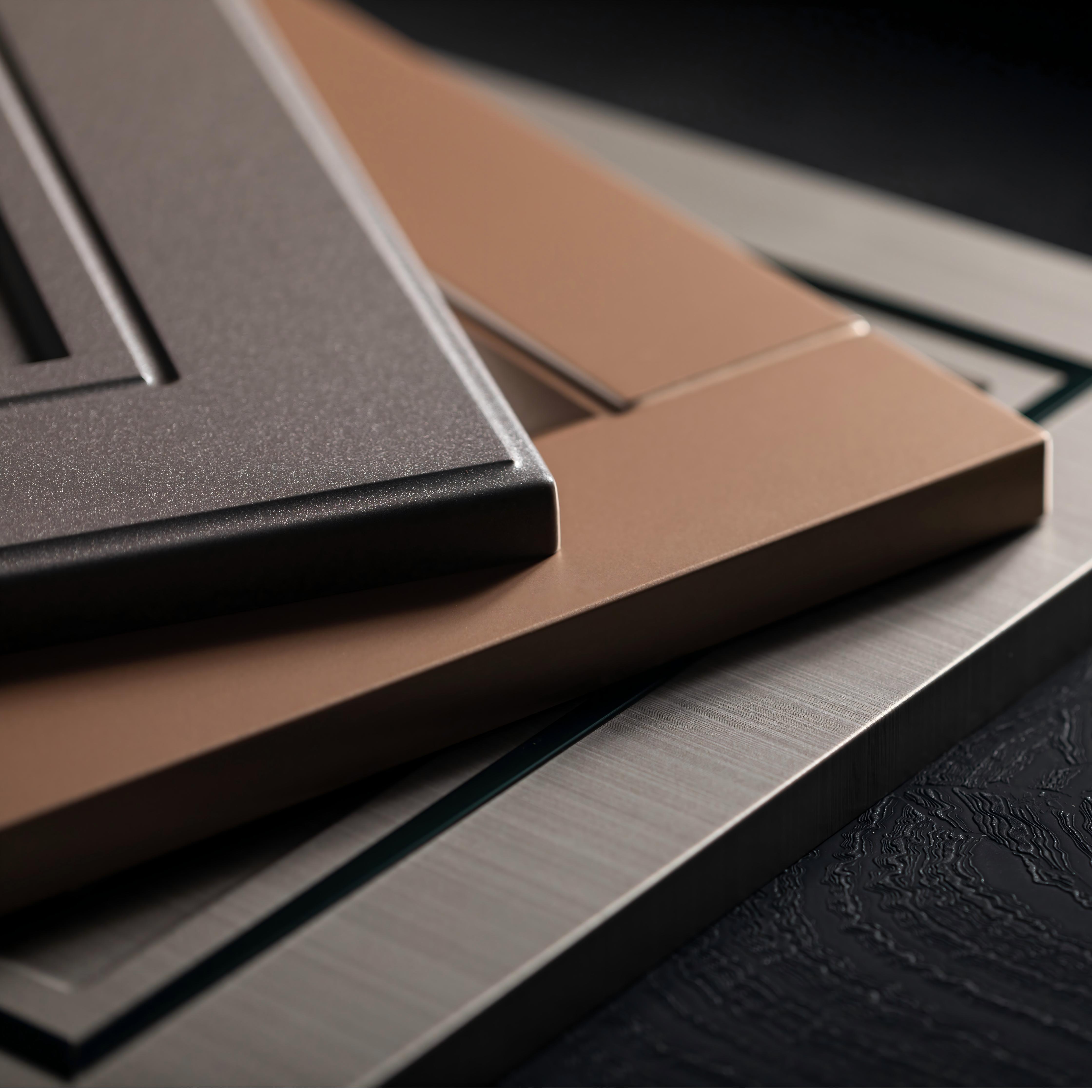
Digital Images Are Only the First Reference
Digital catalogs are efficient for initial product selection. They allow customers to quickly compare different wood grains, solid colors, stone patterns and other PVC decorative film designs.
However, screen settings can influence color appearance.
Brightness, contrast, color temperature and monitor calibration vary between devices. The same decorative film may therefore look slightly different on a phone, computer or tablet.
Digital images are useful for narrowing down options, but they should not be treated as the final color reference.
Use Color Cards to Compare Color Families
A physical color card provides a much more reliable first impression.
Customers can directly compare:
wood tones;
solid colors;
stone patterns;
metallic finishes;
texture differences.
Color cards are particularly useful when selecting several materials that need to work together.
For example, designers can compare a wood grain PVC decorative film with beige, grey or solid-color surfaces to create a coordinated furniture collection.
However, the sample size on a color card is still relatively small.
This means another step is necessary.
Small Samples Help Evaluate the Actual Surface
A small physical sample allows customers to inspect the actual material more closely.
Unlike a printed catalog, it provides a direct understanding of:
actual color;
surface texture;
gloss level;
embossing;
tactile effect.
For matte or textured PVC decorative film, this physical evaluation is particularly important.
A wood grain may appear realistic because of both printing and embossing. A solid color may feel completely different depending on whether the surface is smooth, matte or soft-touch.
These characteristics cannot always be judged accurately from images alone.
Why Large Samples Matter
For many designs, especially wood grain, stone, metallic and fabric patterns, a small sample may not show the complete visual effect.
Pattern scale becomes increasingly important as the application area becomes larger.
A wood grain that looks attractive on a 10 cm sample may appear too strong or too repetitive when used on a full-height wardrobe.
Similarly, a stone pattern may look balanced on a small piece but create a very different impression across a large wall panel.
A larger PVC decorative film sample allows customers to better understand:
pattern proportion;
grain continuity;
color balance;
surface reflection;
overall visual rhythm.
For important furniture or interior projects, this step can significantly reduce selection mistakes.
Test PVC Decorative Film on the Actual Substrate
Decorative film is ultimately applied to a physical surface.
The condition and type of substrate can influence the final appearance and installation result.
Common substrates may include MDF, plywood, metal panels, aluminum and existing furniture surfaces.
Before final approval, it is useful to test the selected PVC decorative film on the actual material that will be used in production or installation.
This allows the project team to evaluate both appearance and application compatibility.
The test can also help identify surface preparation issues before large-scale installation begins.
Evaluate the Sample Under Actual Lighting
Lighting can significantly change color perception.
A decorative film selected under bright showroom lighting may look different in a hotel room, office or residential interior.
Warm lighting can enhance yellow and brown tones, while cooler lighting may make neutral colors appear greyer.
Natural daylight also changes throughout the day.
For this reason, samples should be checked under lighting conditions similar to those of the final project.
For important projects, the same PVC decorative film sample can be evaluated under:
natural daylight;
warm artificial lighting;
cool white lighting.
This provides a more realistic understanding of the final result.
Create a Material Sample Board
For projects involving multiple materials, a professional approach is to create a material sample board.
The board may include:
PVC decorative film, flooring, stone, metal, paint and fabric.
Viewing these materials together helps designers evaluate whether their colors, textures and finishes form a consistent design language.
This is more effective than selecting each surface separately.
A beautiful decorative film does not automatically guarantee a successful interior.
It must work with the surrounding materials.
Final Approval Should Be Based on a Physical Sample
After evaluating color, texture, pattern scale, lighting and substrate, the final selected sample should become the approved reference for the project.
This approved sample can then be used during production, installation and quality inspection.
For larger projects, this helps reduce misunderstandings between designers, buyers, manufacturers and contractors.
HANTAI PVC Decorative Film Sample Support
HANTAI offers a wide range of PVC decorative film designs for furniture and interior applications, including wood grain, solid colors, stone patterns and various surface finishes.
For customers evaluating new products or project materials, color cards and physical samples can help make the selection process more accurate.
The best PVC decorative film selection is not made from one image.
It is confirmed through color comparison, sample evaluation, lighting verification and actual application testing.