



How PVC Decorative Film and Decorative AcrylicAre Reshaping Efficiency and Quality in Modern Furniture Manufacturing
As the global furniture manufacturing industry continues to upgrade, material selection is gradually shifting from a “cost-first” mindset to a more balanced focus on efficiency, stability, and design expression. Especially in sectors such as custom furniture, panel furniture, kitchen cabinets, wardrobes, and commercial furniture, manufacturers are facing increasing pressure from rising labor costs, shorter delivery cycles, frequent design updates, and higher requirements for product consistency.
Against this backdrop, PVC decorative film and decorative acrylic are becoming essential surface material solutions for furniture manufacturers seeking to enhance competitiveness. As a company dedicated to the research and manufacturing of decorative materials, Hantai has developed efficient laminating solutions centered on real manufacturing needs, providing reliable support for furniture producers worldwide.
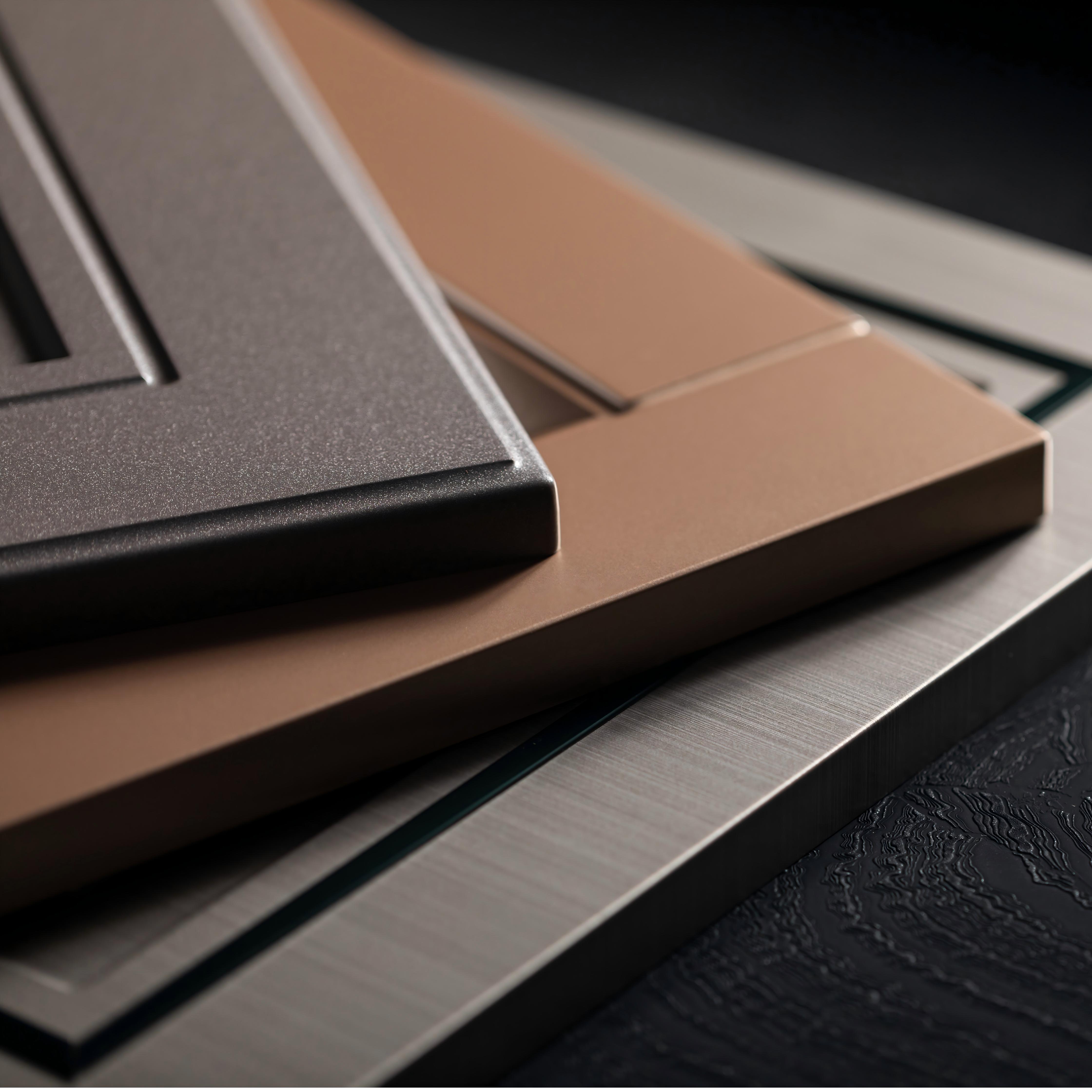
1. Structural Changes in Surface Materials Driven by Furniture Manufacturing Upgrades
Traditional furniture surface finishing methods—such as spray painting, natural wood veneer, and melamine boards—have dominated the industry for decades. However, with stricter environmental regulations, heavy dependence on skilled labor, and limited production efficiency, these traditional solutions are increasingly unable to keep pace with modern manufacturing demands.
In comparison, PVC decorative film and decorative acrylic demonstrate clear advantages:
·Stable processes suitable for standardized, large-scale production
·High fidelity in color and texture reproduction
·Easier control of surface performance and quality consistency
·Shorter production cycles and faster delivery
As a result, more furniture manufacturers are adopting PVC decorative film and decorative acrylic as core surface materials for cabinet doors, panels, countertops, decorative boards, and functional components.
2. PVC Decorative Film: A High-Efficiency Surface Solution for Furniture Manufacturing
2.1 The Core Value of PVC Decorative Film in Furniture Production
PVC decorative film is a surface material made from polyvinyl chloride, produced through printing, embossing, coating, and other processing steps. In furniture manufacturing, its value extends beyond decoration—it plays a key role in improving production efficiency and ensuring quality stability.
For furniture manufacturers, PVC decorative film offers several key advantages:
·Compatibility with multiple substrates, including MDF, particleboard, and plywood
·Strong process adaptability, suitable for vacuum pressing, flat lamination, and wrapping
·High batch-to-batch consistency, effectively reducing color variation and rework rates
·Customizable surface properties, such as scratch resistance, stain resistance, and anti-yellowing
These characteristics make PVC decorative film an ideal choice for cabinet doors, wardrobe doors, furniture side panels, and decorative components.
2.2 Efficiency as the Core Competitive Advantage of PVC Decorative Film
In furniture manufacturing, efficiency directly impacts profitability. Compared with traditional spray painting, PVC decorative film significantly reduces:
·Time spent on color mixing and color matching
·Multiple spraying and sanding processes
·Long drying or curing periods
·Dependence on highly skilled painting labor
Through stable lamination processes, PVC decorative film helps furniture manufacturers achieve faster production ramp-up, quicker delivery, and lower labor costs, making it especially suitable for medium- and large-scale production lines.
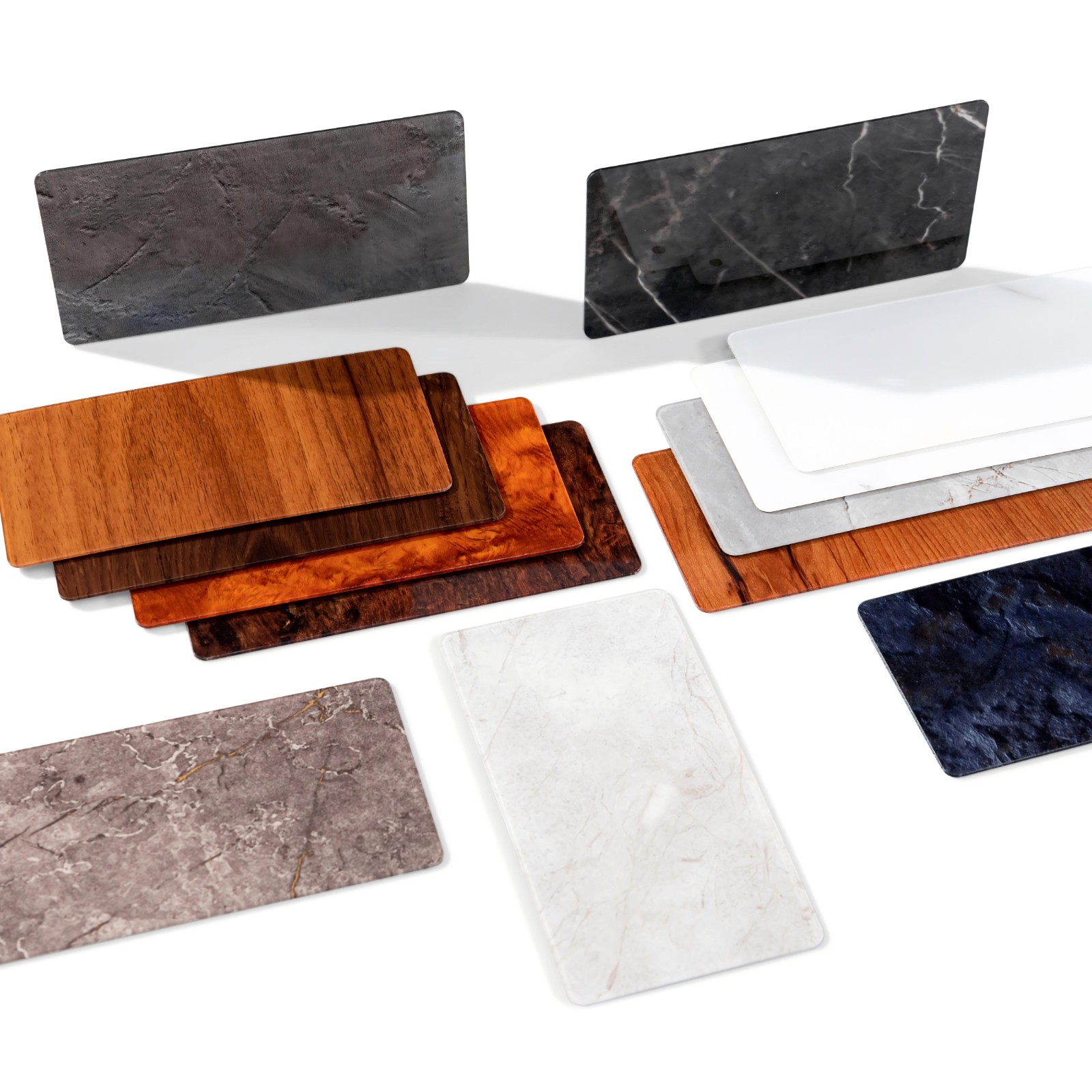
3. Decorative Acrylic: The Visual Language of High-End Furniture and Modern Spaces
If PVC decorative film represents efficiency and stability, decorative acrylic plays a more prominent role in visual enhancement and product value upgrading.
3.1 Application Trends of Decorative Acrylic in Furniture Manufacturing
Known for its high gloss, depth, and refined visual effects, decorative acrylic is widely used in:
·High-end cabinet doors
·Modern minimalist furniture designs
·Custom furniture for commercial spaces
·Display-oriented and image-driven furniture products
In contemporary design trends, decorative acrylic is no longer just an alternative to traditional high-gloss finishes. It has evolved into an independent design language, often combined with metal, stone, and wood textures to create layered and sophisticated spatial aesthetics.
3.2 Higher Requirements for Manufacturing Stability
Unlike conventional surface materials, decorative acrylic places much higher demands on raw materials, coating structures, and production processes. Even minor defects can be magnified by its high-gloss surface.
A reliable decorative acrylic solution should therefore deliver:
·Uniform gloss and consistent reflection
·Excellent scratch and abrasion resistance
·Strong resistance to yellowing and aging
·Controlled thickness and superior flatness
Hantai focuses its decorative acrylic development on real manufacturing challenges, optimizing material structures and surface performance to ensure both premium appearance and industrial-level production stability.
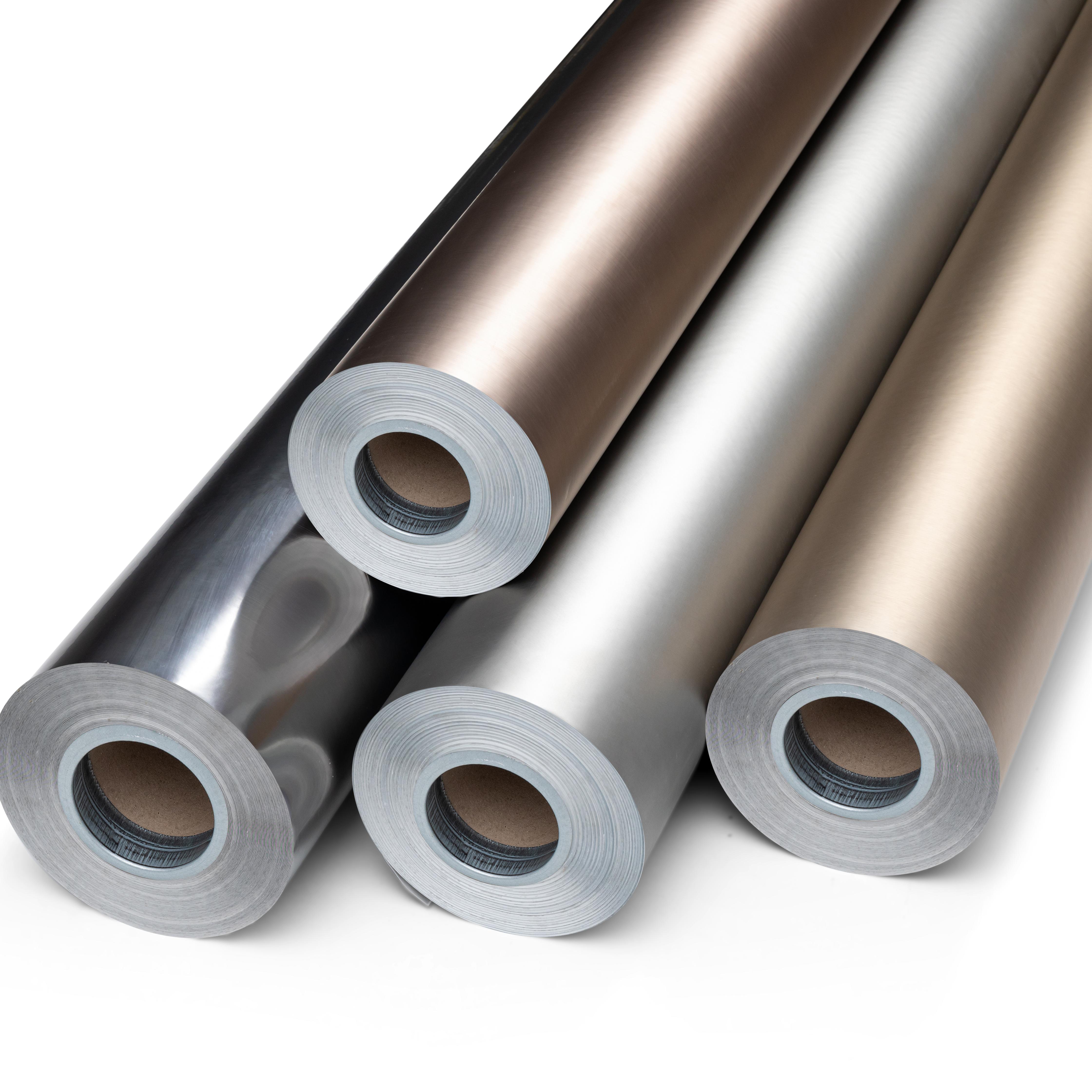
4. From Materials to Solutions: How Hantai Defines “Efficient Laminating Solutions”
True efficiency in lamination is not achieved by supplying materials alone, but by integrating materials seamlessly into the manufacturing process.
4.1 Coordinated Use of PVC Decorative Film and Decorative Acrylic
In real furniture projects, PVC decorative film and decorative acrylic are often used together rather than separately, depending on functional and visual requirements. For example:
·PVC decorative film is applied to cabinet bodies and interior panels to prioritize stability and cost efficiency
·Decorative acrylic is used on doors or visual focal areas to elevate overall product value
This coordinated material strategy allows manufacturers to control costs while achieving product differentiation and visual upgrades.
4.2 Matching Material Parameters with Production Lines
Efficient lamination requires precise alignment between material properties and equipment capabilities. When providing PVC decorative film and decorative acrylic solutions, Hantai focuses on:
·Matching film thickness to lamination equipment
·Ensuring compatibility between surface coatings and adhesive systems
·Maintaining stable processing windows for temperature, pressure, and cycle time
By optimizing materials at the source, manufacturers can reduce setup time, increase first-pass yield, and improve overall production efficiency.
5. Stability and Consistency: The Long-Term Value Furniture Manufacturers Care About Most
For furniture manufacturers, one-time performance is not enough. Long-term stability and consistency determine whether a material can be adopted sustainably.
Key concerns include:
·Color consistency across different batches
·Resistance to yellowing and aging over time
·Stable performance under varying environmental conditions
Through standardized formulations, strict quality control, and continuous testing, Hantai ensures that both PVC decorative film and decorative acrylic maintain consistent performance in long-term applications, helping manufacturers minimize after-sales risks.
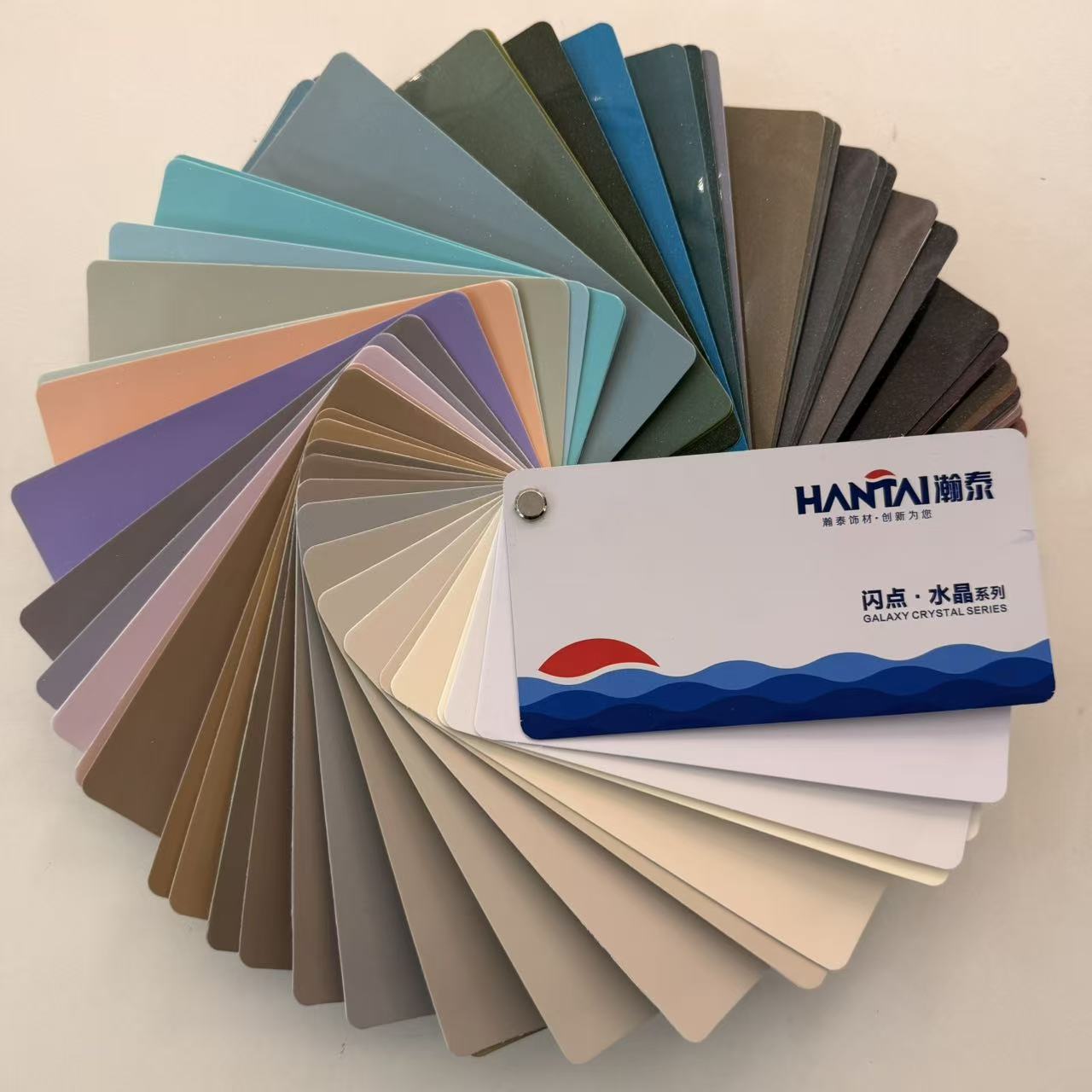
6. The Future of Furniture Manufacturing Depends on Mature Surface Material Systems
As customization increases, delivery timelines shorten, and design cycles accelerate, furniture manufacturing places higher demands on surface materials. PVC decorative film and decorative acrylic are evolving from optional solutions into essential components.
They influence not only product appearance but also:
·Production efficiency
·Quality consistency
·Cost structure
·Brand positioning
Hantai remains committed to refining its PVC decorative film and decorative acrylic product systems, ensuring that materials truly serve as enablers of manufacturing efficiency and product value.
Conclusion: Making Materials Smarter for Manufacturing, and Manufacturing More Competitive
In today’s rapidly evolving furniture industry, selecting the right surface materials is no longer just a design decision—it is a strategic choice affecting efficiency, stability, and long-term competitiveness.
Whether it is the high-efficiency production enabled by PVC decorative film or the premium visual impact delivered by decorative acrylic, the right material solutions allow furniture manufacturers to move forward with greater confidence.
If you are exploring laminating solutions that better fit your production system, or seeking deeper insights into the application of PVC decorative film and decorative acrylic in furniture manufacturing, Hantai welcomes further communication to explore how materials can empower manufacturing.