



In modern home decoration, achieving a perfect balance between hard decoration and soft furnishing has become a key aspect of interior design. As a new generation of environmentally friendly decorative materials, PVC decorative film not only plays an important role in surface aesthetics and protection but also serves as the connection point between overall space design and soft furnishings. So, how can PVC decorative film harmonize with the various elements of interior decoration to create a unified and comfortable living environment?
How Does PVC Decorative Film Influence the Visual Tone of a Space?
PVC decorative film holds an irreplaceable position in interior design because its color, texture, and gloss directly influence the tone and atmosphere of a space. For example, in minimalist or Nordic-style homes, light-colored PVC decorative films—such as off-white, light gray, or natural wood grain—create a refreshing and tranquil environment, perfectly blending with linen curtains, cotton sofas, and soft lighting.
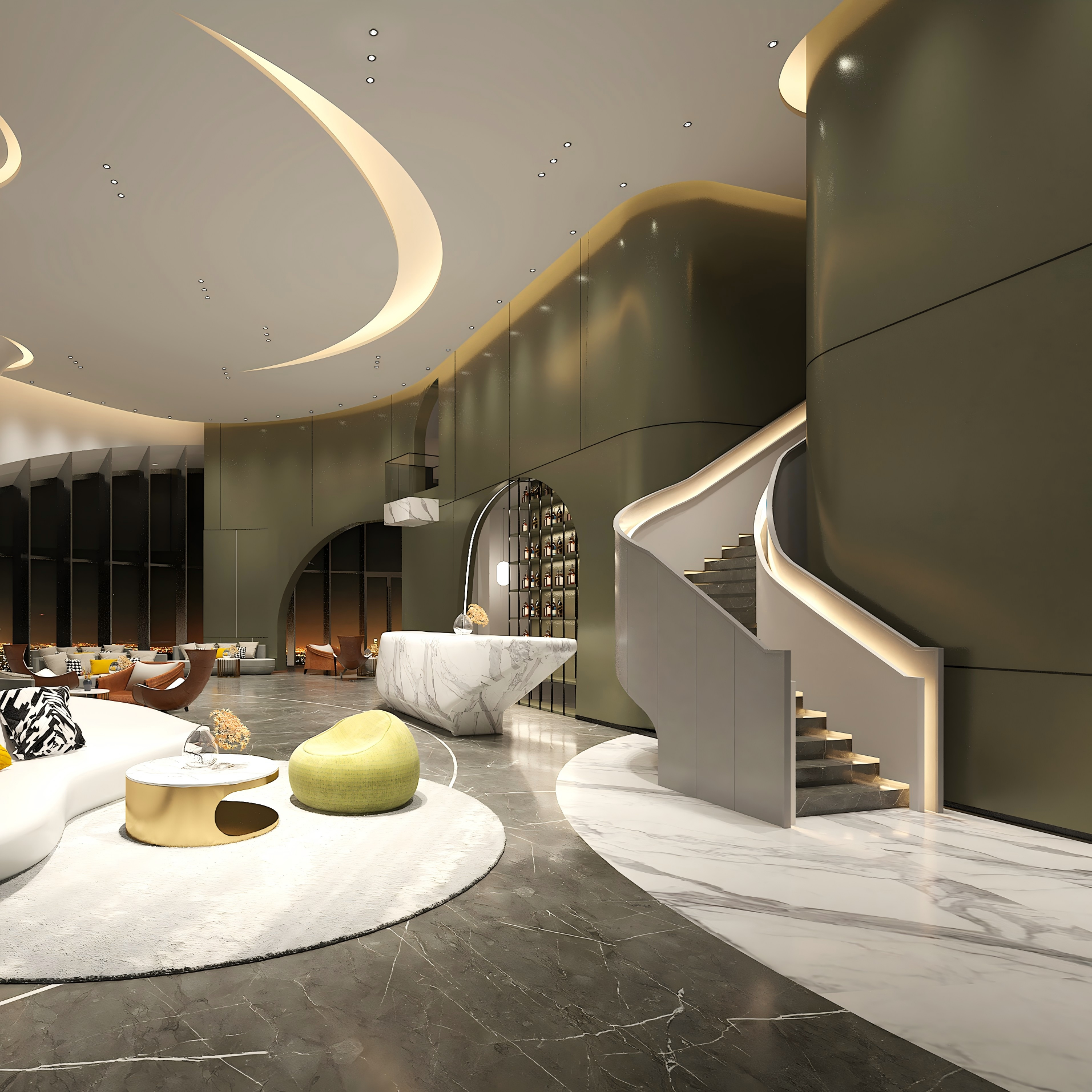
In contrast, for modern luxury or industrial styles, high-gloss metallic films or dark matte PVC films can highlight the sense of quality and sophistication. When paired with metallic soft furnishings, marble coffee tables, and leather sofas, the entire space radiates a modern, elegant charm.
Moreover, PVC decorative film can realistically replicate materials such as marble, stone, or solid wood while remaining cost-effective and easy to apply. When used with appropriate soft furnishings—such as plush cushions, velvet drapes, and wool rugs—it can bring warmth and comfort to the interior, striking a balance between tactile softness and visual aesthetics.
How Can PVC Decorative Film Achieve a Natural Connection with Soft Furnishings?
Soft furnishings—such as curtains, carpets, cushions, and bedding—carry the emotional expression of a home. To make them harmonize with PVC decorative film, designers need to consider both texture coordination and color balance.
For instance, if PVC decorative film with wood grain texture is applied on background walls or furniture panels, choosing soft furnishings made of natural fibers like cotton or linen helps create a harmonious, organic environment. The tactile comfort of fabrics complements the smooth or textured surface of the PVC film, forming a unified sensory experience.
If the decorative film has a metallic or high-gloss finish, the soft furnishings should not be overly rich in patterns or textures, or the space might feel visually chaotic. In such cases, minimalist design, solid-colored fabrics, and moderate lighting can achieve a perfect visual equilibrium, making the PVC decorative film the visual focal point without overshadowing other décor elements.
How Does PVC Decorative Film Help Define the Character of a Space?
PVC decorative film is not merely a surface material—it defines the character of a space. Through its color, pattern, and texture, it sets the emotional tone of a room and creates visual rhythm and spatial hierarchy.
For example, a living room wall covered in warm oak-grain PVC film paired with beige or camel-toned soft furnishings can evoke a cozy, family-friendly ambiance. In contrast, a bedroom using matte dark PVC film combined with gray or navy-blue bedding conveys calmness and sophistication, offering a sense of retreat and tranquility.
In public areas such as dining rooms or offices, using high-gloss PVC decorative films in neutral shades like white, gray, or taupe creates a clean and modern aesthetic. When complemented by soft furnishings in similar tones, the space appears more refined, efficient, and professional.
PVC decorative film allows designers to flexibly adjust style direction—whether cozy, modern, or luxurious—by pairing it with suitable soft furnishings, lighting, and décor, achieving a personalized spatial identity.
How Can PVC Decorative Film Adapt to Various Soft Furnishing Styles?
One of the remarkable advantages of PVC decorative film lies in its high adaptability. Whether the interior is modern minimalist, Scandinavian, new Chinese, or industrial style, PVC film offers abundant choices in patterns, colors, and textures to complement different soft furnishing aesthetics.
In a Scandinavian home, light wood grain films paired with white or pastel soft furnishings create a serene natural atmosphere. In a luxurious style, marble-textured PVC films paired with velvet drapes and brass accents create an elegant and opulent mood.
For minimalist or modern styles, solid-color matte PVC films offer a clean, streamlined look. Combined with geometric-patterned soft furnishings, they build an understated yet sophisticated space. On the other hand, for youthful or artistic interiors, high-gloss colorful PVC films can add vibrancy and visual interest.
PVC decorative film’s versatility means it can be seamlessly incorporated into furniture surfaces, wall panels, door trims, and ceiling accents, offering designers infinite possibilities for integration with soft furnishing designs.
Why Does the Coordination Between PVC Decorative Film and Soft Furnishings Matter?
A well-designed space requires visual balance and emotional warmth. PVC decorative film provides structure and visual framework, while soft furnishings add warmth and human touch. When these two work in harmony, the result is a space that feels complete, comfortable, and aesthetically pleasing.
If the decorative film and furnishings are mismatched, even high-quality materials may fail to create a cohesive effect. For instance, a cold metallic PVC surface paired with overly vibrant or heavy-textured soft furnishings may lead to a sense of imbalance. Therefore, achieving a balance of color temperature, texture, and lighting is essential for creating a harmonious spatial experience.
Additionally, PVC decorative film helps maintain design consistency throughout a home. Whether it’s on furniture, cabinets, or walls, using a unified color palette allows soft furnishings like curtains, pillows, and rugs to complement rather than compete—making the space feel well-coordinated and thoughtfully composed.
How Can Designers Use PVC Decorative Film to Achieve Coordinated Soft Furnishing Spaces?
Designers often begin with the overall concept—deciding whether the interior should feel warm, elegant, fresh, or modern—and then select PVC decorative film accordingly. For warm atmospheres, they may choose natural wood tones; for modern minimalism, matte gray or white; and for luxury, marble or metal finishes.
Once the film tone is set, soft furnishings are chosen to enhance or contrast it harmoniously. For example:
Light wood grain PVC film + warm beige fabrics + soft ambient lighting → cozy and natural.
Matte gray PVC film + black-and-white soft furnishings + metallic décor → modern and chic.
Glossy marble film + velvet or silk furnishings + golden accessories → luxurious and refined.
By layering materials and tones, designers can create a space that not only looks beautiful but also feels cohesive, with every detail reinforcing the design narrative.
Can PVC Decorative Film and Soft Furnishings Create a Perfect Symbiosis?
Absolutely. PVC decorative film serves as a vital bridge between structure and décor, between permanence and flexibility. When applied correctly—through techniques like flat lamination, wrapping, or vacuum forming—it integrates seamlessly with MDF or other substrates, forming the visual backbone of interior design.
Soft furnishings, in turn, breathe life and emotion into this foundation. Together, they create spaces that are not only visually appealing but also emotionally engaging—balancing tactile comfort, aesthetic harmony, and long-term durability.
The beauty of PVC decorative film lies not only in its practicality and versatility but also in its ability to connect the physical environment with emotional comfort. As material technology continues to evolve, PVC decorative film will undoubtedly become an even more essential element in achieving the perfect harmony between hard and soft decoration—making every living space both functional and full of life.