



When selecting decorative surface materials for furniture, interior walls, doors, or commercial spaces, PVC decorative film and PET decorative film are two of the most widely discussed options. Both materials are extensively used in modern interior design and furniture manufacturing, yet they differ significantly in structure, performance, application methods, and aesthetic outcomes.
So, PVC decorative film or PET decorative film — which one should you choose?
The answer depends on your design goals, application scenarios, performance expectations, and budget.
In this in-depth guide, we will clearly explain the differences between PVC decorative film and PET decorative film, explore their strengths and limitations, and help you make a confident, informed decision.
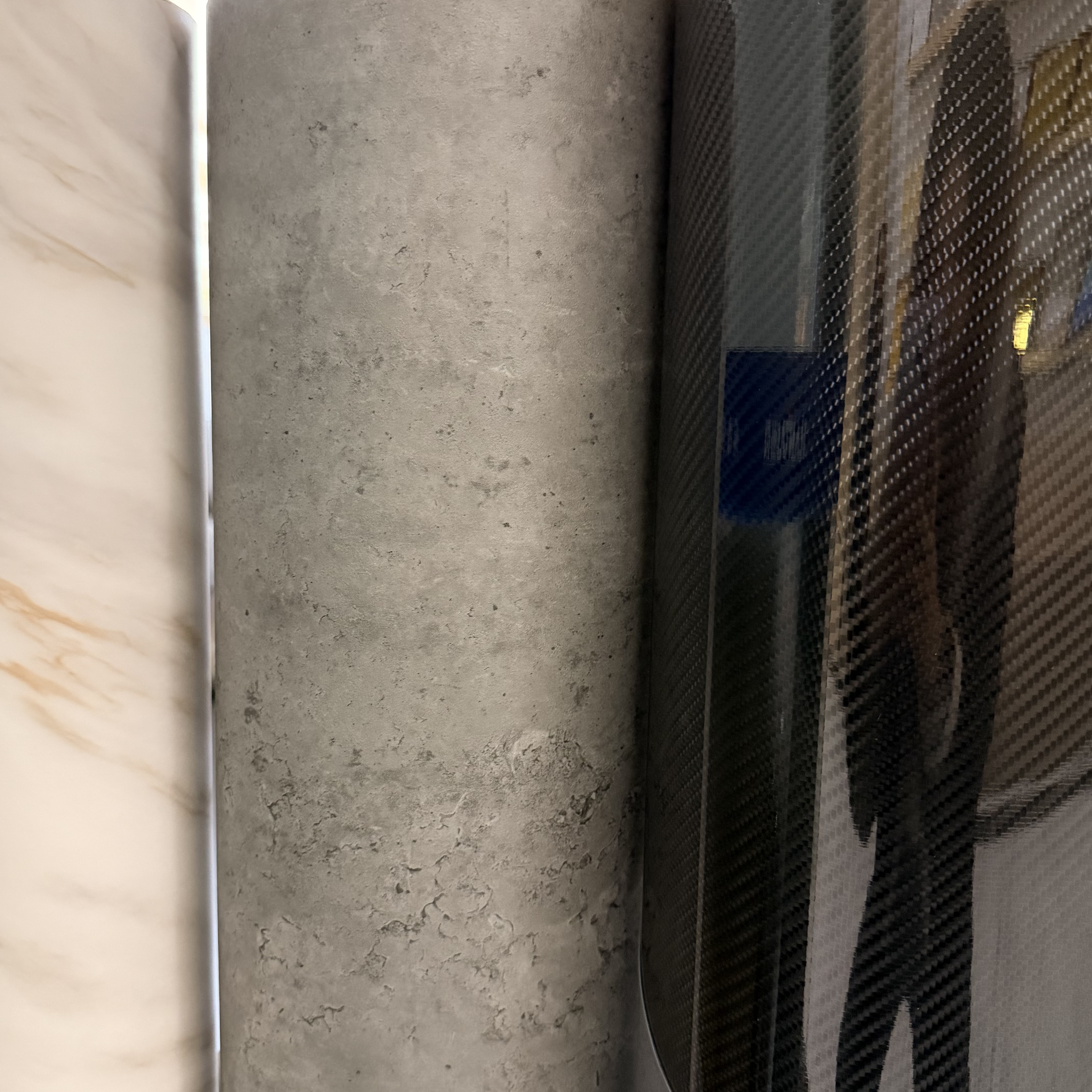
Understanding Decorative Films in Modern Interior Design
Decorative films have become an essential surface solution for both residential and commercial interiors. Compared with traditional materials such as solid wood, stone, or paint, decorative films offer:
·Cost-effective surface transformation
·Consistent color and texture reproduction
·Easier installation and maintenance
·Greater design flexibility
Among all options, PVC decorative film and PET decorative film dominate the global market due to their stable quality and wide application range.
What Is PVC Decorative Film?
PVC decorative film is made from polyvinyl chloride and is known for its exceptional plasticity and flexibility. This material can be produced in an extensive variety of colors, textures, and surface effects, making it one of the most versatile decorative materials available today.
Key Characteristics of PVC Decorative Film
·Excellent flexibility and stretchability
·Rich textures: wood grain, marble, leather, fabric, metallic, concrete, and more
·Suitable for flat surfaces, curved surfaces, and complex 3D shapes
·Compatible with lamination, wrapping, and vacuum pressing
·Strong adaptability for furniture and architectural surfaces
Thanks to its outstanding formability, PVC decorative film can perfectly conform to edges, corners, grooves, and deep profiles, which is why it is widely used in furniture factories and interior finishing projects.
Design Freedom with PVC Decorative Film
One of the biggest advantages of PVC decorative film is design freedom.
Through vacuum pressing technology, PVC decorative film can tightly wrap complex shapes such as:
·Cabinet doors with grooves and carvings
·Curved furniture panels
·Decorative wall panels with relief patterns
·3D architectural elements
For designers and manufacturers seeking creative flexibility, PVC decorative film offers nearly unlimited possibilities.
If your project emphasizes varied styles, rich textures, and complex shapes, PVC decorative film is often the most practical choice.
What Is PET Decorative Film?
PET decorative film, made from polyethylene terephthalate, is known for its high surface hardness and superior durability. Compared with PVC decorative film, PET decorative film focuses more on surface performance and premium appearance.
Key Characteristics of PET Decorative Film
·Surface hardness of approximately 3–4H
·Excellent scratch resistance and wear resistance
·Strong stain resistance and easy cleaning
·Fingerprint-resistant surface
·Smooth, refined, and high-end visual effect
PET decorative film is commonly used in lamination and wrapping processes on flat or gently curved surfaces.
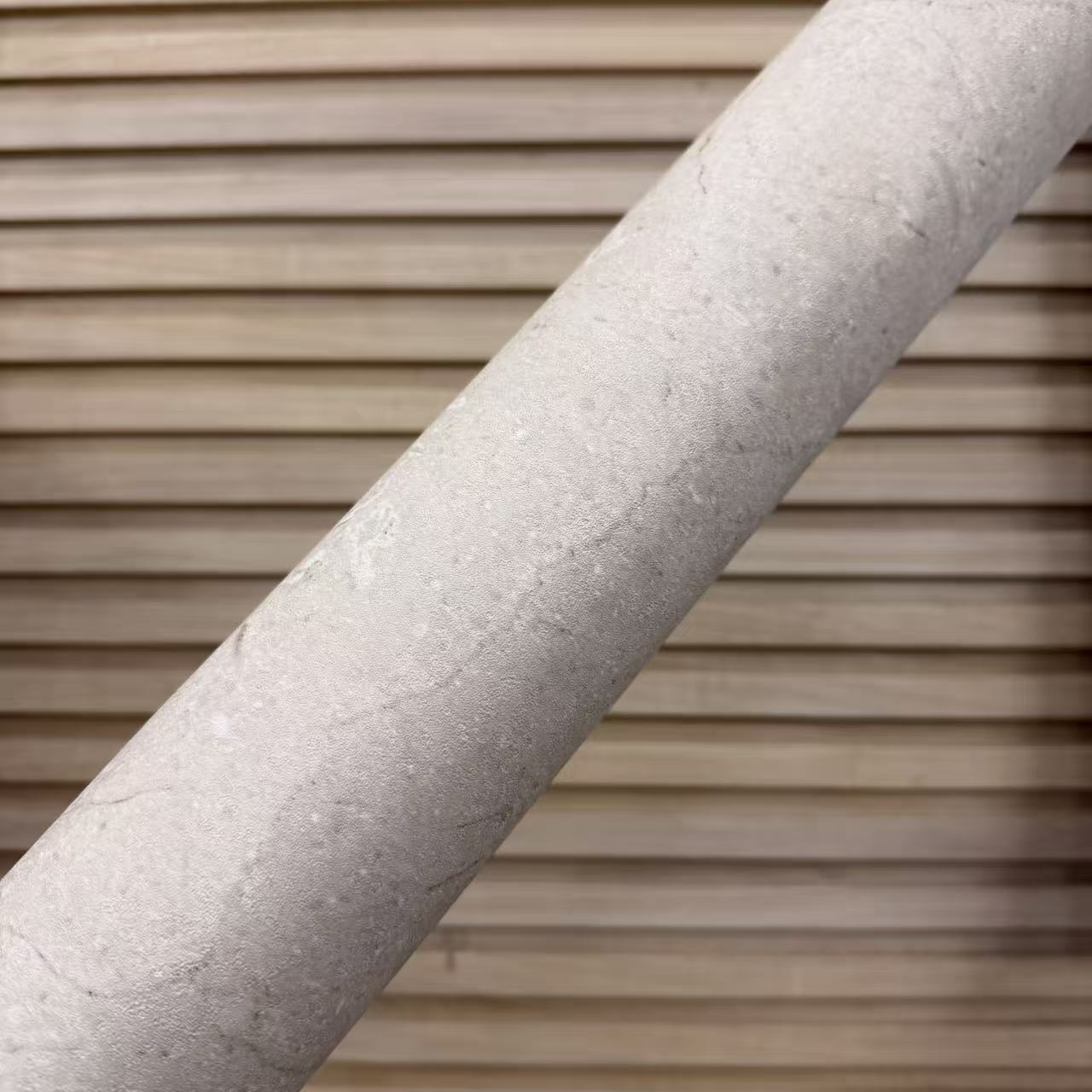
Surface Performance Advantages of PET Decorative Film
For projects where daily wear resistance and surface cleanliness are critical, PET decorative film offers clear advantages.
·Oil-based pen marks can be wiped off easily
·The surface resists fingerprints and smudges
·Maintains a clean, new appearance over time
·Ideal for high-touch areas
This makes PET decorative film especially suitable for:
·Kitchen cabinets
·Office furniture
·Retail counters
·Commercial wall panels
If your priority is scratch resistance, stain resistance, and a long-lasting premium look, PET decorative film is an excellent solution.
PVC Decorative Film vs PET Decorative Film: Key Differences
To make the comparison clearer, here is a side-by-side overview of PVC decorative film and PET decorative film:
| Feature | PVC Decorative Film | PET Decorative Film |
|---|---|---|
| Material Structure | Soft, flexible PVC | Rigid PET |
| Flexibility | Very high | Moderate |
| 3D Wrapping Ability | Excellent | Limited |
| Surface Hardness | Lower | 3–4H |
| Scratch Resistance | Moderate | Excellent |
| Stain Resistance | Good | Excellent |
| Fingerprint Resistance | Standard | Strong |
| Texture Variety | Extremely rich | More refined, limited |
| Application Method | Lamination, wrapping, vacuum pressing | Lamination, wrapping |
| Best For | Complex shapes, creative designs | High-end flat surfaces |
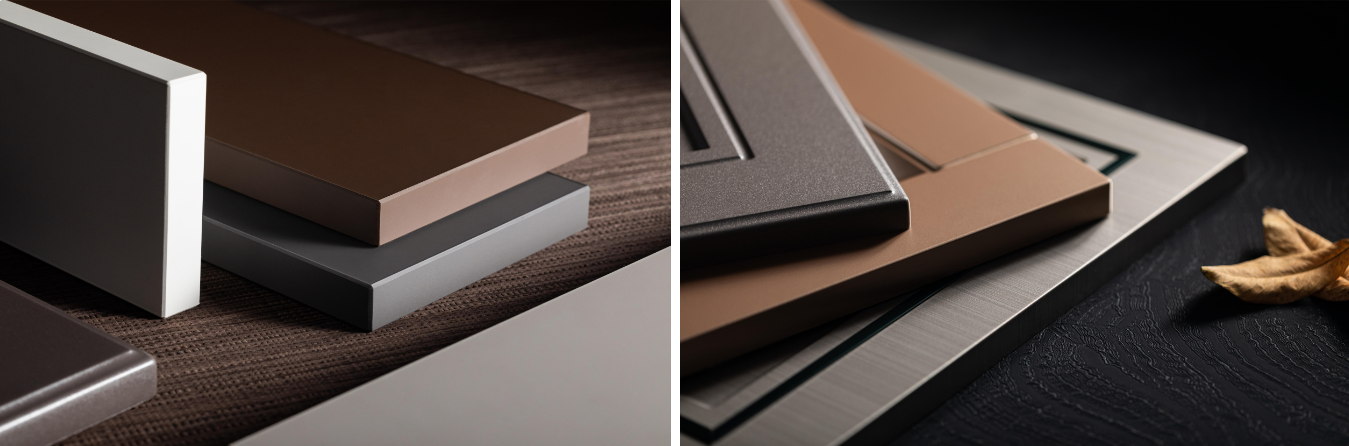
Application Scenarios for PVC Decorative Film
Thanks to its flexibility and adaptability, PVC decorative film is widely used in:
·Furniture surfaces (cabinets, wardrobes, tables)
·Decorative wall panels
·Doors and door frames
·Curved architectural elements
·3D molded components
For manufacturers handling custom designs, complex shapes, or mass-produced furniture, PVC decorative film remains a highly efficient and cost-effective solution.
Application Scenarios for PET Decorative Film
PET decorative film excels in environments that demand durability and cleanliness, such as:
·Kitchen cabinet doors
·Office desks and partitions
·Retail display furniture
·Commercial interiors
·High-traffic public spaces
Its refined surface appearance also makes PET decorative film a preferred choice for minimalist and modern interior styles.
Aesthetic Differences Between PVC and PET Decorative Film
From a visual perspective, PVC decorative film emphasizes texture richness and realism. It can replicate natural materials such as wood, stone, leather, and fabric with remarkable depth.
PET decorative film, on the other hand, focuses on a clean, sleek, and modern look. Its surfaces often appear smoother, more uniform, and more premium.
Choosing between the two often depends on whether your design language leans toward expressive texture or minimal elegance.
Installation and Processing Considerations
From a production standpoint:
·PVC decorative film is easier to process for complex shapes and curved surfaces
·PET decorative film requires more precise handling but delivers superior surface durability
Factories and installers often select PVC decorative film for flexibility and PET decorative film for surface performance.
Cost and Value Perspective
In general:
·PVC decorative film offers excellent cost-performance for large-scale projects
·PET decorative film tends to be positioned as a more premium solution
However, the “better value” depends entirely on your project requirements. A high-wear commercial space may benefit more from PET decorative film, while a design-focused furniture line may perform better with PVC decorative film.

How to Choose Between PVC Decorative Film and PET Decorative Film?
Ask yourself the following questions:
·Does the surface include curves or complex 3D shapes?
→ Choose PVC decorative film·Is scratch resistance and surface durability a top priority?
→ Choose PET decorative film·Do you need a wide range of textures and colors?
→ Choose PVC decorative film·Is the project focused on a premium, clean, modern finish?
→ Choose PET decorative film
In many cases, manufacturers and designers even use both materials across different areas of the same project.
Final Thoughts: PVC Decorative Film or PET Decorative Film?
Both PVC decorative film and PET decorative film play important roles in modern decorative solutions. There is no absolute “better” option — only the right material for the right application.
·Choose PVC decorative film for flexibility, creativity, and complex forms
·Choose PET decorative film for durability, cleanliness, and premium surface ·performance
Now that you understand the difference, you can confidently choose the decorative film that best fits your design vision and functional needs.
Follow us to learn more about decorative materials, surface trends, and professional application solutions for PVC decorative film and PET decorative film. Contact us for free sample:info7@hantaipvc.com/info10@hantaipvc.com