



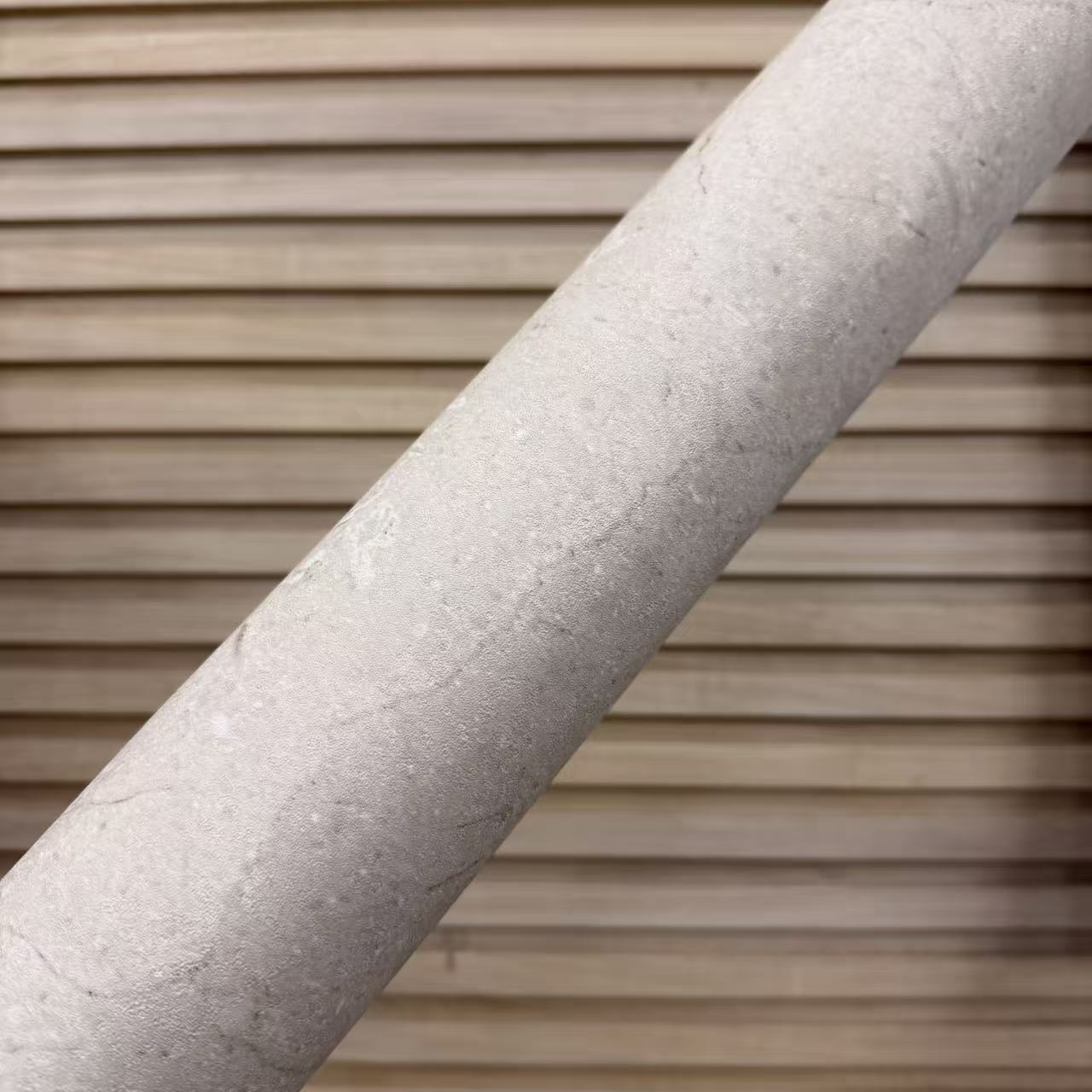
In today’s material application landscape, PVC decorative film has evolved from an early-stage functional film into an important material that combines decorative value with engineering performance. Whether in architectural decoration, furniture surface finishing, or commercial spaces and public facilities, PVC decorative film is widely adopted thanks to its stability, formability, and high adaptability. Compared with traditional decorative materials, PVC decorative film not only reduces installation costs but also offers designers greater freedom and flexibility.
So what are the core characteristics of PVC decorative film, and why has it continued to expand its application across so many industries? The following provides a systematic and educational overview of PVC decorative film from multiple perspectives, including material properties, application fields, manufacturing processes, and future trends.
I. Analysis of the Core Material Properties of PVC Decorative Film
1. Excellent Chemical Stability
PVC decorative film exhibits strong chemical inertness in practical use. When exposed to common acidic, alkaline, or saline substances found in everyday environments, it can maintain structural stability without corrosion or performance degradation. This characteristic gives PVC decorative film long-term application value in kitchens, bathrooms, laboratories, and industrial environments.
At the same time, PVC decorative film shows high resistance to most organic solvents and is not easily affected by cleaning agents or environmental factors, ensuring long-term surface stability during use.
2. Stable and Well-Rounded Physical Performance
From a physical performance perspective, PVC decorative film offers several advantages suitable for complex environments:
Strong weather resistance: PVC decorative film maintains dimensional stability under high temperature, low temperature, and humid conditions, without becoming brittle or excessively soft, making it suitable for use across different climate zones.
Reliable electrical insulation: Its inherent insulating properties allow it to be used in environments with electrical safety requirements.
Good flame-retardant performance: PVC decorative film is not easily flammable when exposed to heat, offering a higher safety level compared to ordinary plastic materials.
Balanced toughness and strength: While providing sufficient tensile strength, PVC decorative film retains good flexibility, reducing the risk of damage caused by external impact.
These combined properties make PVC decorative film particularly effective in scenarios requiring both decoration and surface protection.
3. Excellent Processing and Forming Adaptability
PVC decorative film offers exceptional flexibility during processing. Through different production techniques, it can be manufactured in various thicknesses, textures, and surface finishes to meet diverse application requirements. Whether applied to flat surfaces, complex shapes, or large continuous decorative areas, PVC decorative film can achieve stable and consistent forming results.
This highly controllable processing characteristic gives PVC decorative film a clear advantage in customized decoration, especially for furniture lamination, door panel wrapping, and applications on irregular surfaces.
4. Visual Performance: Transparency, Texture, and Surface Effects
From a visual perspective, PVC decorative film delivers strong aesthetic performance. Its surface can be designed to achieve high transparency, soft matte finishes, or glossy effects. With advanced printing and embossing technologies, it can accurately replicate natural materials such as wood grain, stone textures, and metallic finishes.
As a result, PVC decorative film is not only a functional material but also an important medium for design expression, combining visual appeal with durability and ease of maintenance.
5. Environmental Attributes and Sustainable Development
As environmental standards continue to rise, PVC decorative film is steadily evolving toward more sustainable solutions. By optimizing formulations, reducing harmful additives, and improving recyclability, modern PVC decorative films have achieved noticeable improvements in safety and environmental performance.
In addition, by extending the service life of substrates and reducing the need for frequent renovation, PVC decorative film indirectly lowers resource consumption and construction waste generation.
II. Main Application Fields of PVC Decorative Film
1. Architecture and Interior Decoration
In the architectural decoration industry, PVC decorative film is widely used on walls, door panels, ceilings, partitions, and decorative components. Its moisture resistance, corrosion resistance, and weather durability ensure stable performance in both interior and exterior applications, particularly for projects requiring controlled long-term maintenance costs.
2. Furniture and Custom Home Furnishing
PVC decorative film is an indispensable surface material in modern furniture manufacturing. Through lamination processes, substrates such as MDF and particleboard can achieve enhanced texture and protection while reducing reliance on natural wood, aligning with current sustainability trends.
3. Packaging and Display Applications
Thanks to its transparency and excellent printability, PVC decorative film is widely used in display packaging and decorative overlays, enhancing product appearance while providing additional protection for the contents.
4. Electronics, Electrical, and Functional Applications
In the electronics and electrical industries, PVC decorative film is used for cable wrapping, equipment housing protection, and functional surface films due to its insulating and flame-retardant properties, helping ensure stable equipment operation.
5. Medical, Environmental, and Public Facilities
In medical and public facility applications, PVC decorative film is used for medical packaging, equipment surface covering, and public-space decoration due to its safety, cleanability, and stability. Its recyclability also provides further potential in environmental protection projects.
III. Overview of Major Manufacturing Methods for PVC Decorative Film
PVC decorative film can be produced using various manufacturing processes, each influencing its final performance and application:
Calendering: Suitable for producing PVC decorative films with smooth surfaces and uniform thickness, commonly used in furniture and architectural applications.
Blown film process: Enables continuous production of flexible films, suitable for specific packaging and functional uses.
Casting and stretching processes: Used for high-end decorative films or films with special functional requirements.
IV. Future Development Trends of PVC Decorative Film
Looking ahead, PVC decorative film is expected to continue evolving in the following directions:
Material systems with higher environmental standards
Multi-functional composite PVC decorative films
Introduction of new structural and surface technologies
Maturation of recycling and circular utilization technologies
These trends will further promote the deeper application of PVC decorative film in high-end decorative and industrial fields.