



Over the past few years, the global manufacturing industry has undergone a deep structural transformation. Fluctuating raw material prices, unstable international logistics, and the rise of regionalized production and localized sourcing have forced almost every decorative building material category to reassess its role within the global supply chain. Against this backdrop, a product once considered “mature” is quietly moving toward the center of global manufacturing systems — PVC Decorative Film.
Traditionally viewed as a surface material for furniture, doors, or interior decoration, PVC Decorative Film is now evolving into a strategic material that connects design, manufacturing, and end markets. From 2024 to 2025, global buyers’ evaluation criteria have shifted noticeably — from price-driven decisions to a stronger focus on stability, delivery reliability, and cross-regional adaptability. This shift is reshaping the competitive structure of the industry.
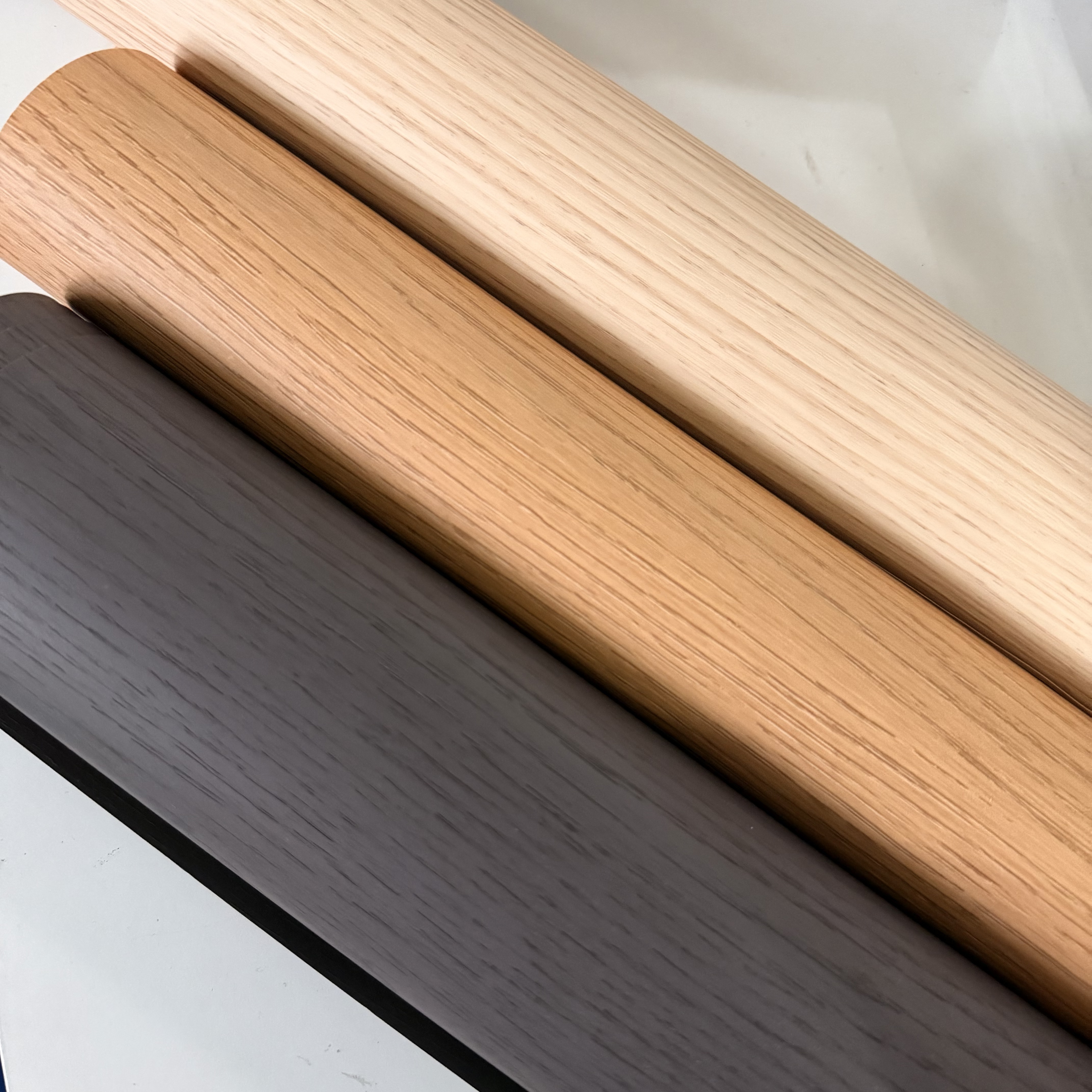
From Decorative Option to Supply Chain Foundation
In its early applications, PVC Decorative Film was often used as an alternative to natural veneer, paint, or traditional laminating processes. However, as environmental regulations tighten, labor costs increase, and customization becomes standard rather than optional, the advantages of PVC Decorative Film have become increasingly evident.
From a supply chain efficiency perspective, PVC Decorative Film is highly industrialized and scalable. Compared with natural materials, it offers superior batch consistency. Compared with painting processes, it requires less labor input and is less affected by environmental variables. These characteristics make PVC Decorative Film one of the easiest decorative materials to standardize and procure at scale for furniture manufacturing, customized interior solutions, and modular construction systems.
From a design and market responsiveness perspective, PVC Decorative Film enables rapid updates in colors, textures, and surface finishes. This capability is particularly important in 2025, as brands demand shorter development cycles and faster responses to market trends. PVC Decorative Film has become a core material supporting this fast-response design model.
As a result, PVC Decorative Film is no longer just a decorative choice — it is becoming a basic material unit within global decorative manufacturing systems.
2025 Procurement Trends: Beyond Price Comparison
A review of procurement behavior over the past five years reveals a clear shift. Pure price comparison is no longer an effective sourcing strategy.
In 2025, global PVC Decorative Film procurement decisions increasingly reflect the following priorities:
Supply stability over lowest price
After experiencing delivery delays, supply interruptions, and quality inconsistencies, many buyers are reassessing the true cost of low-priced materials. As a high-frequency component, any issue with color deviation, adhesion failure, or durability can affect entire product lines rather than isolated orders. Manufacturers capable of long-term, stable supply are therefore gaining stronger preference.
Technical transparency as a baseline requirement
Adhesion strength, weather resistance, heat resistance, and humidity performance are no longer optional advantages. Buyers increasingly request clear testing logic and internal performance standards, rather than relying solely on visual samples.
Regional adaptability as a sourcing criterion
Differences in climate, usage conditions, and regulatory requirements mean that PVC Decorative Film can no longer rely on a single specification for all markets. Manufacturers capable of delivering stable performance across regions are clearly distinguishing themselves.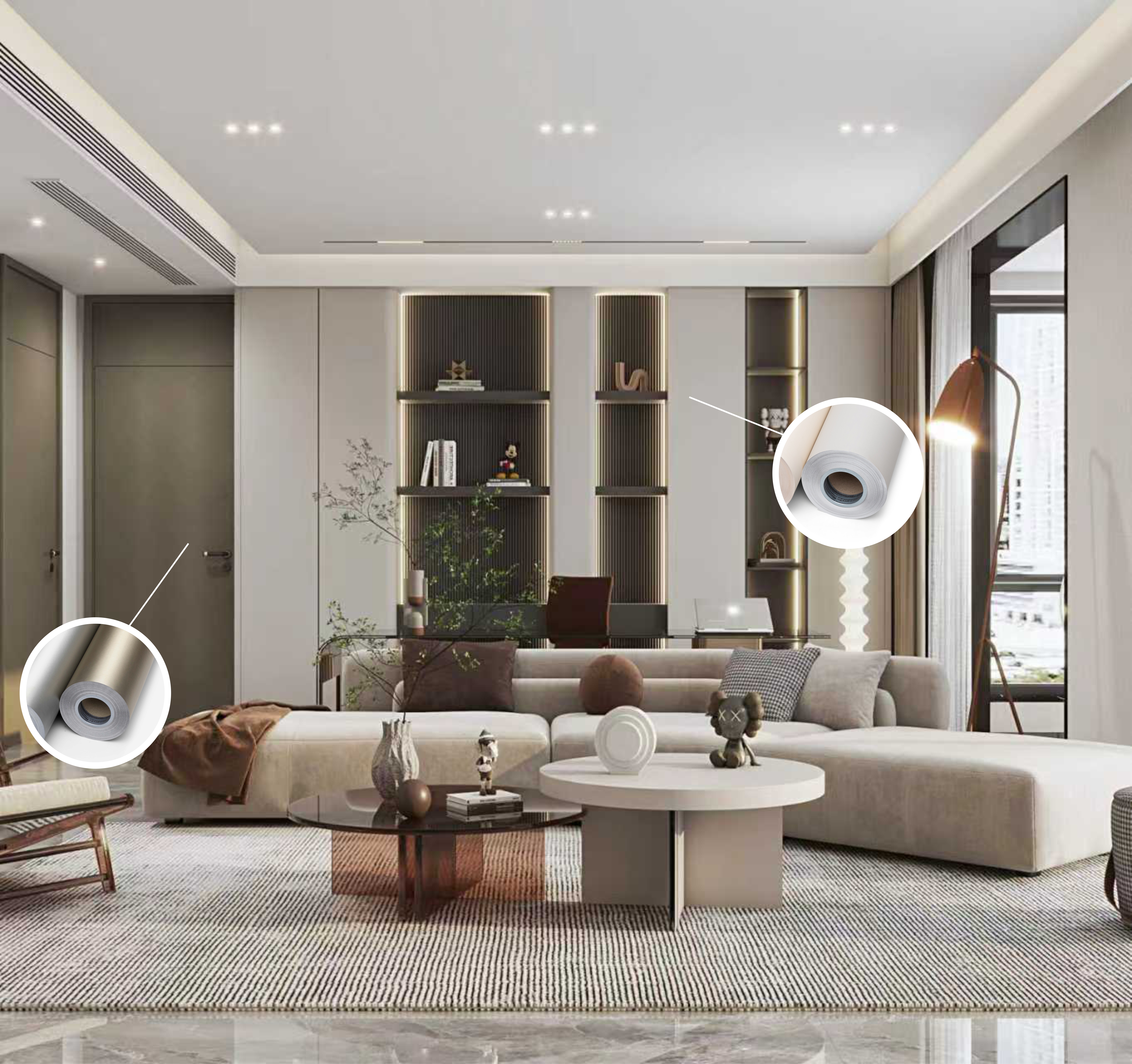
Regional Market Differences and Performance Expectations
By 2025, the global PVC Decorative Film market shows clear regional differentiation:
·Europe emphasizes environmental compliance, low VOC emissions, and long-term color stability.
·Middle East and Southeast Asia prioritize resistance to high temperatures and humidity.
·North America focuses on adhesion stability, batch consistency, and large-scale delivery capability.
This evolution indicates that competition has moved beyond manufacturing capability alone. The key question is no longer whether a product can be produced, but whether it can perform consistently across different environments.
Manufacturers who understand these regional requirements and respond with structured solutions are becoming essential partners within global supply chains.
Manufacturing Evolution: A Clear Segmentation Is Emerging
Another notable trend is the increasing segmentation within PVC Decorative Film manufacturing.
Entry-level products continue to compete primarily on price, serving markets with lower technical thresholds. At the same time, professional-grade PVC Decorative Film is developing clear technical barriers, including higher adhesion standards, more stable surface performance, and stricter batch control.
This differentiation is not temporary. As downstream brands reduce tolerance for quality risk, manufacturing capability itself becomes a selectable value. As a result, international buyers are paying closer attention to manufacturers’ backgrounds, R&D capacity, and quality management systems — not just product catalogs.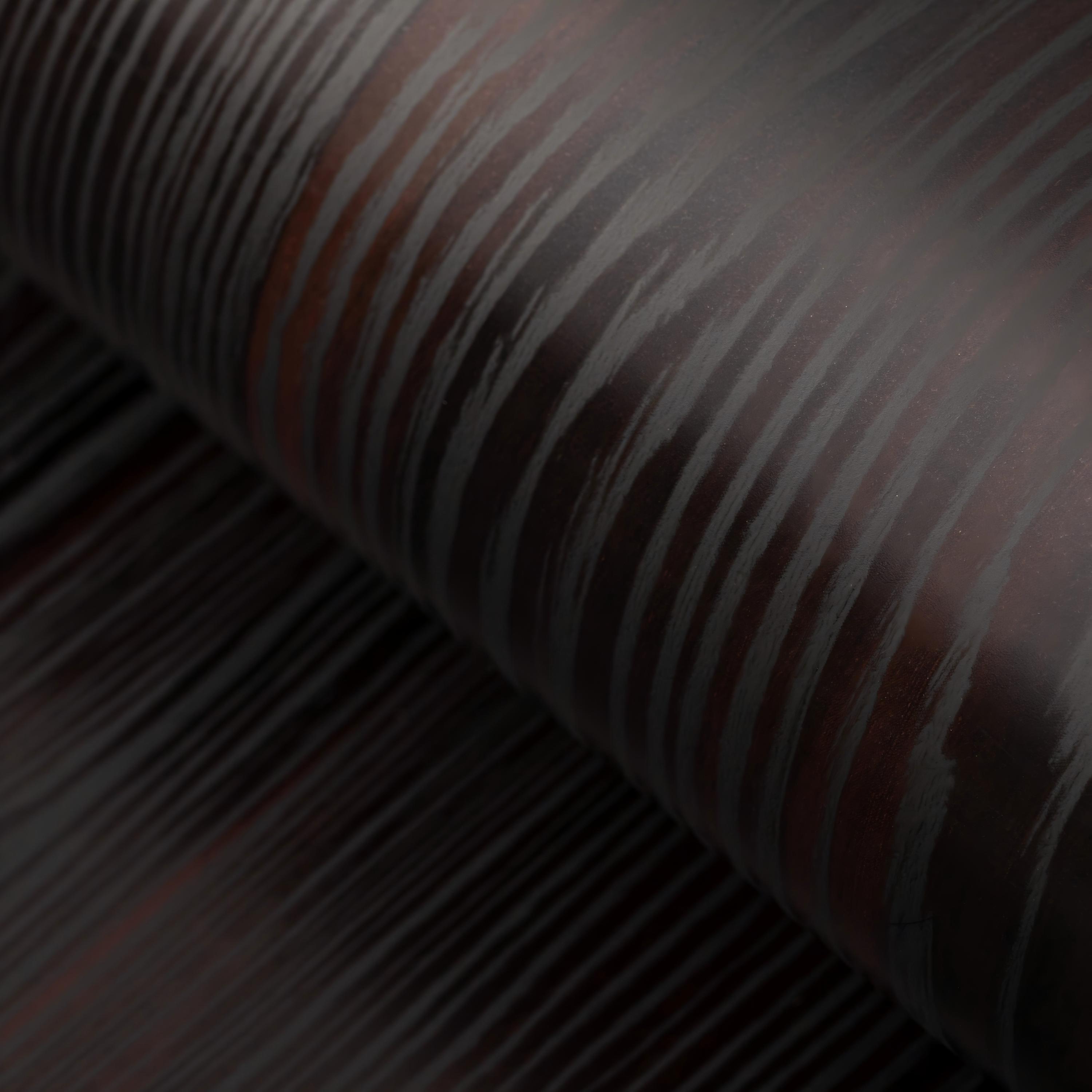
HANTAI's Position in the Global PVC Decorative Film Supply Chain
Within this evolving industry landscape, HANTAI is also undergoing a strategic role transformation.
HANTAI does not treat PVC Decorative Film as a standalone commodity. Instead, it is managed as a systematically controlled industrial material. From raw material selection and process control to internal standards for adhesion and weather resistance, HANTAI has established quality systems that exceed average market requirements.
In particular, for the stability most valued by global buyers, HANTAI applies long-term sample retention, batch traceability, and standardized testing procedures to ensure consistent performance across different production periods and orders. This capability has enabled HANTAI to develop long-term partnerships with overseas clients rather than transactional relationships.
Looking Ahead: Where the PVC Decorative Film Market Is Heading
The future of the PVC Decorative Film market is unlikely to be driven by volume expansion alone. Instead, it is entering a stage defined by quality-driven growth and supply chain collaboration.
Key competitive factors will increasingly include:
·Cross-regional applicability
·Long-term supply stability
·Transparent and verifiable technical systems
In this environment, purchasing decisions are becoming long-term strategic choices rather than short-term cost calculations.
Reassessing the Role of PVC Decorative Film
For the global furniture, building materials, and interior decoration industries, PVC Decorative Film is no longer a secondary surface solution. It has become a critical material embedded within global supply chains.
Those who understand its role, select it correctly, and work with capable manufacturing partners will gain greater certainty in an increasingly complex global market.
As a professional PVC Decorative Film manufacturer, HANTAI remains committed to continuous technical improvement and quality management, delivering stable, reliable, and long-term value to global partners.
If you are exploring PVC Decorative Film solutions for your projects or would like guidance on performance requirements across different markets, the HANTAI team is ready to support you.