



In contemporary architectural decoration and spatial design, light is no longer merely a tool for illumination. It has become a vital language for shaping atmosphere, conveying emotion, and expressing design concepts. As commercial spaces, public buildings, and residential interiors increasingly demand stronger ambience, artistic expression, and functional integration, a new type of material—one that combines translucent performance, structural stability, and high decorative value—is steadily taking center stage: translucent decorative acrylic.
Unlike traditional translucent sheets or ordinary plastic panels, translucent decorative acrylic is redefining how light participates in spatial design through its lighter structure, more stable performance, and greater design freedom. So what exactly is translucent decorative acrylic? And why has it emerged as a key material choice in modern interior and architectural decoration?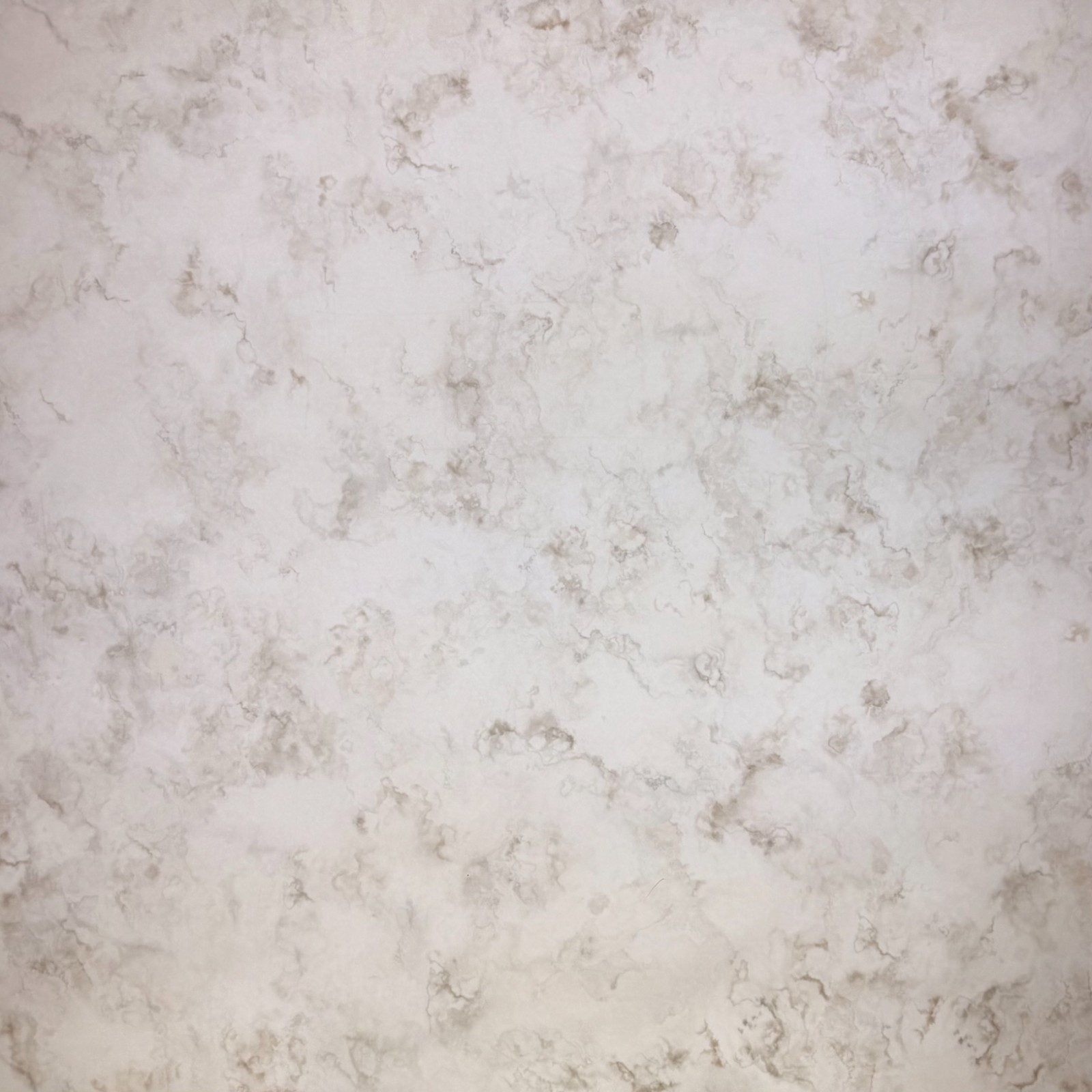
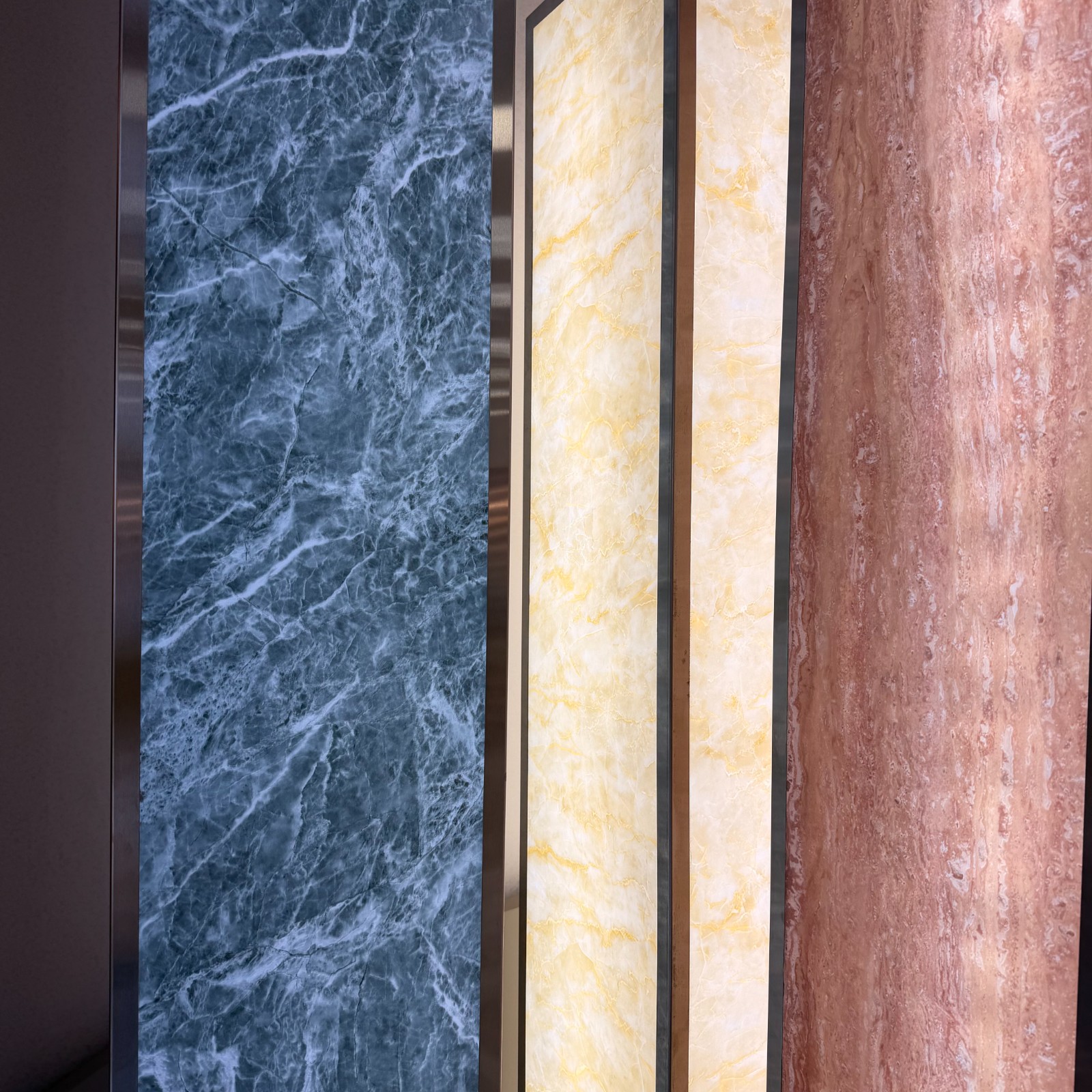
What Is Translucent Decorative Acrylic, and How Is It Fundamentally Different from Ordinary Translucent Materials?
From a material perspective, translucent decorative acrylic is not a simple single-material panel. It is a composite decorative material developed through systematic design and process optimization. Based on high-quality acrylic, it offers excellent light transmission while incorporating multiple surface and functional enhancements, achieving a high level of balance between decorative aesthetics and practical performance.
Compared with traditional translucent materials, translucent decorative acrylic differs in several fundamental ways.
First, in terms of light transmission, translucent decorative acrylic does not allow harsh, direct light to pass through. Instead, it softens, diffuses, and evenly distributes light, creating a more comfortable, layered lighting effect within the space. This illumination is closer to natural diffused light, effectively avoiding glare and uneven light spots.
Second, in terms of structural stability, translucent decorative acrylic is lighter in weight than conventional translucent sheets, yet offers higher impact resistance. This makes it safer and more reliable during transportation, installation, and long-term use—particularly suitable for large-scale applications such as walls, ceilings, and lightbox systems.
More importantly, translucent decorative acrylic is not limited to a single visual effect. Through the integration of custom printing, texture design, and surface treatments, it delivers rich visual expression while maintaining translucency—this is where its true decorative value lies.
Why Has Translucent Decorative Acrylic Become a Key Source of Artistic Expression in Space?
In spatial design, what truly resonates is not the material itself, but the experience it creates. Translucent decorative acrylic is widely used in high-end commercial spaces and customized design projects because it establishes a strong synergy between light, material, and artistic expression.
With customizable pattern printing, translucent decorative acrylic becomes more than a functional material—it becomes a carrier of design concepts, brand identity, and artistic creativity. Whether abstract graphics, gradient colors, natural textures, or brand-specific visual elements, translucent decorative acrylic enhances these designs through light, giving them a vivid, dynamic presence and significantly elevating the artistic quality and recognizability of a space.
In commercial environments, this capability is particularly valuable. Translucent decorative acrylic is not only used as background walls, lightboxes, or display surfaces—it becomes an integral part of brand storytelling, allowing spaces to “glow” and “communicate.”
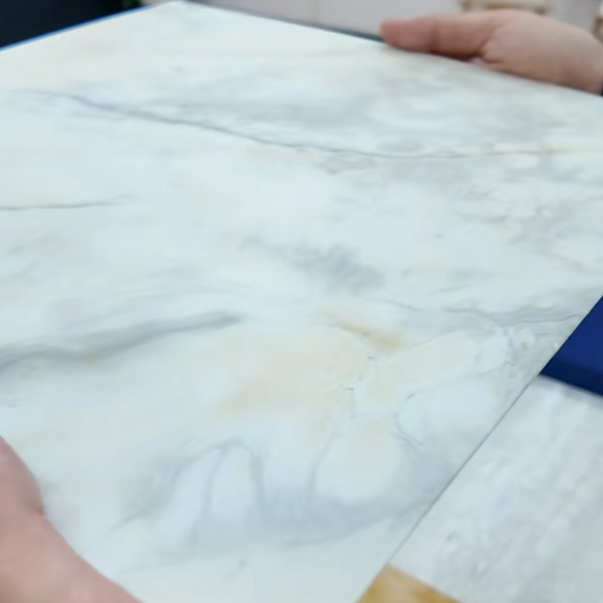
Why Is Translucent Decorative Acrylic Better Suited for Modern Engineering Applications?
From an engineering perspective, usability often matters more than appearance alone. Translucent decorative acrylic demonstrates strong overall advantages in this regard.
First is its lightweight structure. Compared with glass or certain traditional translucent materials, translucent decorative acrylic significantly reduces overall weight, lowering transportation costs and simplifying installation. In suspended ceilings, complex geometries, or large-scale lighting installations, this lightweight property greatly enhances construction safety and efficiency.
Second is impact resistance. Translucent decorative acrylic offers excellent resistance to impact, reducing the risk of breakage in everyday use—an especially critical advantage in commercial and high-traffic public spaces.
In addition, translucent decorative acrylic provides strong weather resistance and waterproof performance. It is not prone to moisture absorption or deformation, making it highly suitable for humid environments such as bathrooms, underground spaces, coastal buildings, and high-humidity public areas. This performance significantly expands its application scope.
How Does Surface Technology Determine the Durability of Translucent Decorative Acrylic?
Over time, surface wear is one of the biggest challenges for decorative materials. To address this, high-quality translucent decorative acrylic incorporates advanced nitrogen matte excimer coating technology.
This technology provides multiple benefits. On one hand, it significantly enhances scratch resistance, ensuring that even with frequent contact or cleaning, the surface remains largely free of visible scratches. On the other hand, improved stain resistance allows the material to withstand oil, water stains, and dust, making it easy to clean—often requiring only a simple wipe to restore its original appearance.
For commercial spaces and public environments, this translates into longer visual consistency, lower maintenance costs, and an extended service life. Translucent decorative acrylic thus truly achieves the dual value of being both visually appealing and highly durable.
Where Can Translucent Decorative Acrylic Be Applied?
Thanks to its comprehensive advantages in light diffusion, structural performance, and durability, translucent decorative acrylic is now widely applied across various spatial scenarios.
In architecture and interior design, it is commonly used for partition ceilings, where the combination of lighting and patterns softens spatial boundaries and enhances transparency. When applied to walls, it can serve as illuminated background walls or artistic feature walls, enriching spatial depth.
In commercial settings, translucent decorative acrylic is extensively used in lightbox systems, brand display panels, shop windows, and wayfinding systems. Its stable light transmission and customizable patterns make it a powerful medium for brand visual expression.
In public and office environments, translucent decorative acrylic also demonstrates strong adaptability—meeting functional lighting needs while enhancing overall spatial quality and modern appeal through thoughtful design.
Why Is Choosing a Professional Manufacturer Crucial?
The final performance of translucent decorative acrylic depends not only on design concepts but also on manufacturing expertise and quality control systems. As a professional manufacturer deeply engaged in decorative materials, HANTAI adheres to high standards and systematic management throughout the R&D and production process.
From raw material selection and light-transmission control to surface coating processes and finished-product inspection, HANTAI has established a comprehensive quality system to ensure consistent performance in light uniformity, structural stability, and durability across every batch. This is a key reason why HANTAI’s translucent decorative acrylic is widely adopted in diverse projects.
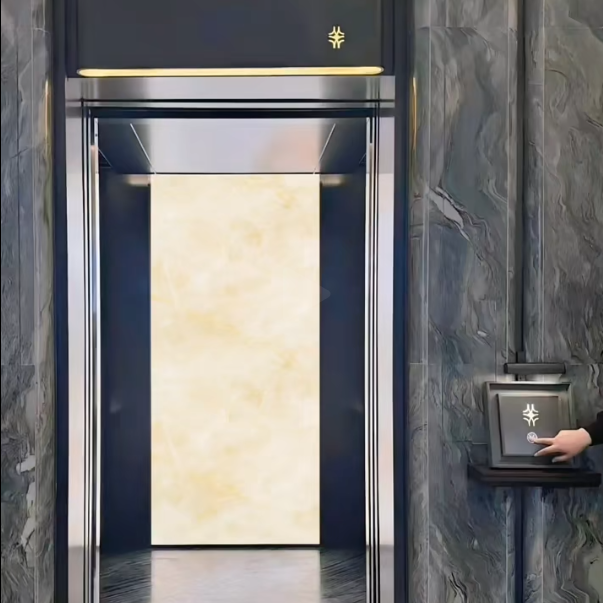
Why Translucent Decorative Acrylic Is Becoming a Key Material for Future Space Design
In summary, translucent decorative acrylic is far more than a simple decorative panel. It is a modern material solution that seamlessly integrates light, design, and functionality. It allows light to become an active element in spatial design, empowers materials with artistic expression, and maintains durability and engineering reliability.
As spatial design continues to evolve toward higher quality and stronger atmospheric impact, the value of translucent decorative acrylic will only grow. HANTAI remains committed to continuous technological innovation and product enhancement, delivering more stable and creative translucent decorative acrylic solutions to its clients.
If you are looking for a material that truly elevates artistic expression while balancing performance and aesthetics, feel free to contact HANTAI to learn more about translucent decorative acrylic applications and product solutions. We also offer sample support and customized services based on project needs—working with you to explore new possibilities of light and space.